Virtual proofs for promotional products
Show the logo on the product (wrapped, sized and decorated the way it will be made) so the art proof gets approved before a single item is set up.
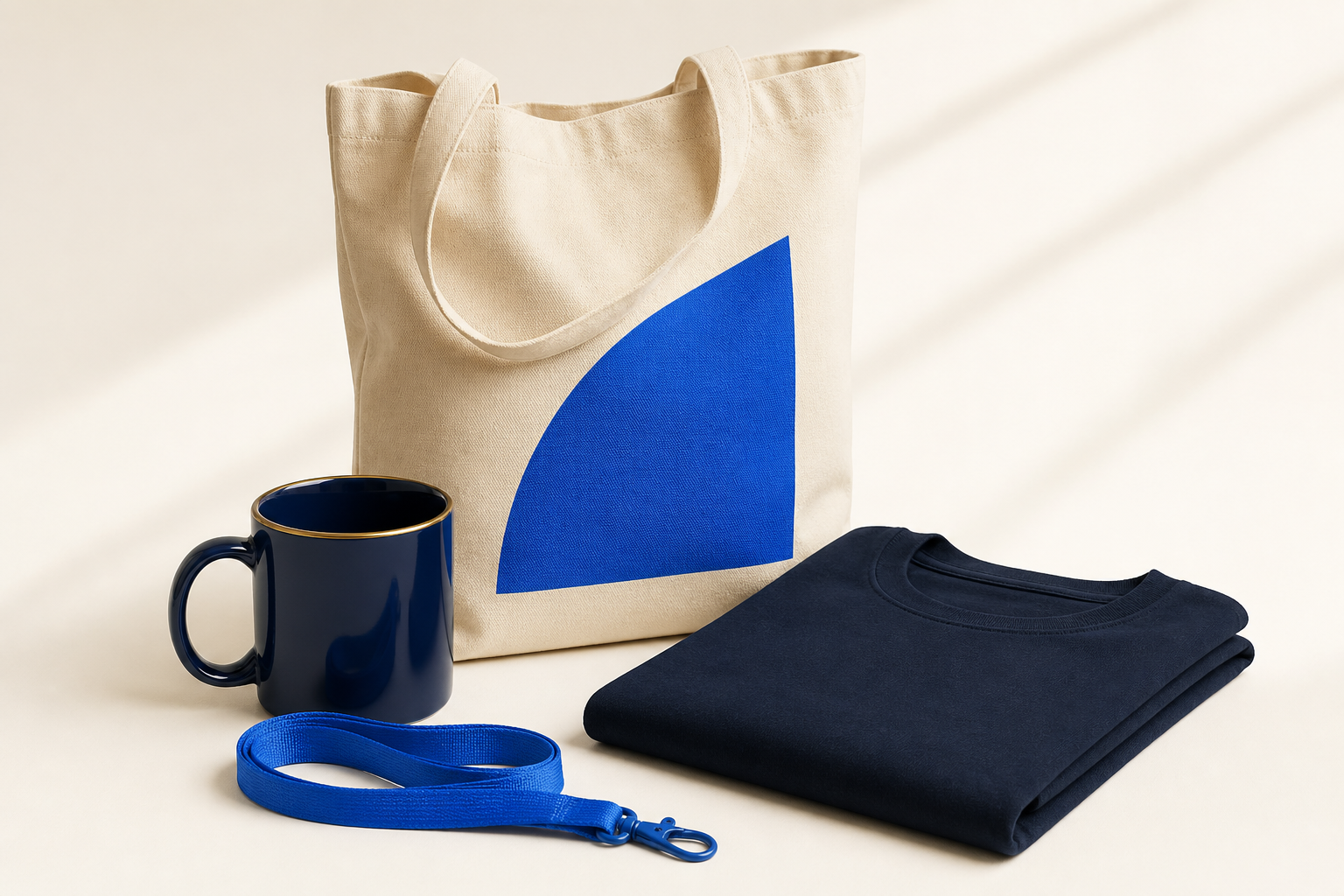
Nobody buys a logo. They buy the decorated item
Promo approval turns on imprint size, placement and method: all of which a flat art proof asks the buyer to imagine.
Virtual samples without the sample
Drinkware, bottles, pens, bags, notebooks and tech accessories are decorated on curved, tapered and textured surfaces. A 3D virtual sample shows the imprint wrapping the product instead of floating on a flat product photo.
Decoration method, visibly different
Pad print, screen print, laser engraving, debossing, embroidery and full-color wrap do not look alike. Showing the right method on the right substrate stops the "I thought it would be shiny" conversation after production.
Imprint area you can actually judge
Every promo item has a maximum imprint area, and every distributor has watched a logo shrink to fit it. Showing the mark at true size in its real location makes that constraint obvious while there is still time to redraw.
Art proofs that double as presentation
The same 3D scene that gets the art proof approved produces clean product shots for the presentation deck, the online store and the reorder email, from artwork you already had to prepare.
From art proof to virtual sample
The promotional products workflow is built on speed and volume. An order lands, art comes in at whatever quality the client had on file, someone cleans it up, drops it into an imprint area and sends a proof. The client signs, the item is set up and decorated, and the box arrives at an office where somebody says the logo is smaller than they pictured.
That reaction is rarely about the artwork. It is about the difference between a mark drawn inside a labelled rectangle and the same mark curving around a 12oz tumbler with a handle in the way. The buyer was never shown the second thing, so they approved the first thing and imagined the rest.
ProofScene turns the art you already prepared into a virtual sample: the actual product, in the actual material, with the imprint applied by the actual decoration method, turning in the client’s browser. Pad-printed white on a matte bottle looks like pad-printed white on a matte bottle. A laser-engraved mark on stainless looks engraved, not printed. The client can see the constraint and make the call themselves.
Because the scene already exists, the same setup produces presentation-quality product images (for the proposal, the company store, or the reorder email) without a photo shoot or a stock template.
Related pages: 3D mockup generator, automated product shots, apparel & garment proofing, and the guide on virtual proof vs product mockup.
Promotional product proofing, answered
Short, straight answers to the questions we are asked most. If yours is not here, ask.
Ask us anythingWhat is a virtual sample in promotional products?
A virtual sample is a visual of your customer's logo applied to a promotional product before anything is decorated. ProofScene builds it as an interactive 3D model, so the end buyer can turn the mug, bottle or bag and see the imprint wrapping the real surface rather than pasted onto a flat catalog photo.
How is this different from a flat art proof?
A flat art proof shows the logo, its colors and its dimensions. A 3D virtual proof shows the decorated product: how far the imprint wraps, how it sits against a handle or seam, how it looks in the chosen material and finish. Both matter, and they answer different questions.
Can it show different decoration methods?
Yes. Screen and pad printing, laser engraving, deboss, foil, embroidery and full-color wraps can be represented so the customer sees what the chosen method actually produces on that substrate.
Does this work for distributors as well as decorators?
Yes. Decorators use it to get art approved before setup; distributors use the same 3D scene to present a program to an end client and to generate product images for stores and proposals. See automated product shots for the marketing-image side.
Will the colors on screen match my PMS match?
A 3D proof represents appearance, placement and material, not calibrated color. It is not a contract-color proof unless a color-managed workflow is used, so a Pantone-critical brand imprint should still go through your normal color approval process.
Can we send virtual samples under our own brand?
Yes. Proof links live on your own branded subdomain with optional password protection, and enterprise deployments can be fully self-hosted with no ProofScene branding: useful when a distributor is presenting to their own client.
Show your next promo item decorated
ProofScene is opening early access to print shops and product suppliers. Join the list and be first to turn your proof sheets into interactive 3D approvals.
No credit card · Built by print people · Launching soon