See InsideCarsUpdated
How does a turbo work?
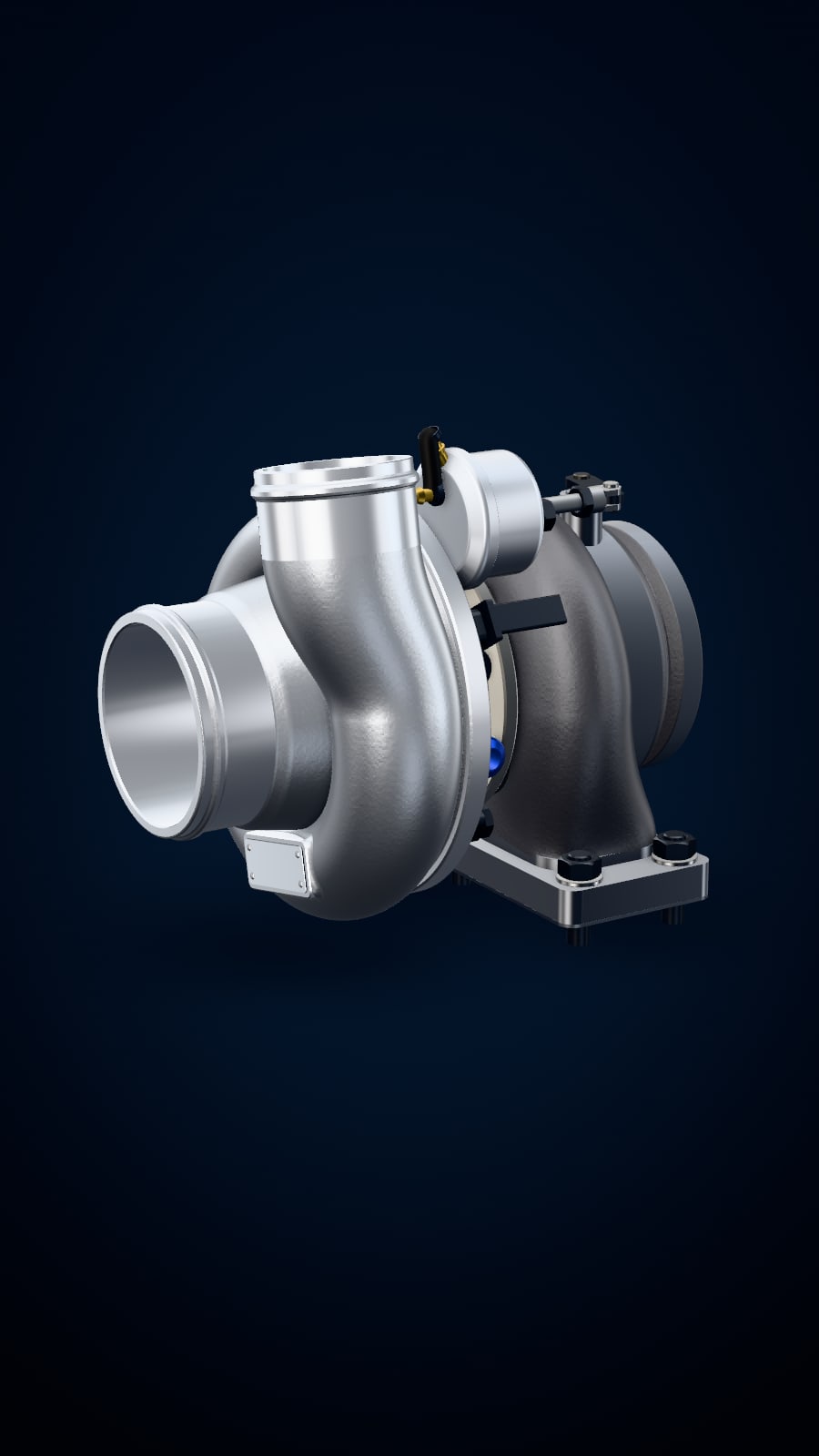
A turbo uses the engine’s own exhaust to push in more air. Hot exhaust gas spins a turbine wheel, a shaft connects it to a compressor wheel on the other side, and the compressor squeezes fresh air into the engine. More air lets the engine burn more fuel, so a small engine makes the power of a bigger one. Watch both wheels spin above.
How it works, step by step
Follow the turbocharger from the outside in. Each step is something you can see happen in the 3D view above.
Two snail shells, one shaft
A turbo has two spiral housings joined by one shaft. The hot side takes exhaust from the engine, the cold side feeds fresh air to it.
Exhaust spins the turbine
Exhaust gas rushes through the turbine housing and spins the turbine wheel. Energy that would have left through the tailpipe now does work.
A very fast shaft
A steel shaft joins the turbine wheel to the compressor wheel and spins on bearings fed with engine oil. A car’s turbo can spin around 200,000 times a minute, and the smallest ones reach about 350,000.
The compressor pushes air
On the cold side the compressor wheel draws in fresh air and flings it outward into its housing, packing it above normal air pressure. That extra pressure is called boost.
Cooled on the way in
Squeezing air heats it, so the boosted air usually passes through an intercooler. Cooler air is denser, which puts more oxygen in every cylinder.
The wastegate keeps it in check
When the boost is high enough, a valve called the wastegate lets part of the exhaust bypass the turbine. The turbo stops speeding up and the boost holds steady.
The parts inside the turbocharger
- Turbine wheel
- Spun by hot exhaust gas on the engine side.
- Turbine housing
- The hot spiral that steers exhaust onto the turbine wheel.
- Compressor wheel
- Draws in fresh air and packs it into the engine.
- Compressor housing
- The cold spiral that turns the wheel’s speed into boost pressure.
- Shaft
- Joins the two wheels so they always turn together.
- Center housing and bearings
- Holds the spinning shaft on a film of engine oil.
- Oil feed and drain
- Brings in oil to lubricate and cool the bearings, and takes it back to the engine.
- Wastegate and actuator
- A valve that lets exhaust bypass the turbine to control boost.
Turbocharger questions
Straight answers about the turbocharger and what happens inside it.
See inside more productsHow does a turbo work?
A turbo is two fans on one shaft. Exhaust gas spins the turbine on one end, which spins the compressor on the other, and the compressor pushes extra air into the engine so it can burn more fuel and make more power.
What does a turbo do to an engine?
It increases power by forcing in more air than the engine could draw in on its own. That lets carmakers use smaller, lighter engines that still feel strong.
How fast does a turbo spin?
Very fast. A car turbo can spin around 200,000 times a minute. The smallest turbos can reach about 350,000 revolutions a minute, while large truck turbos with bigger wheels turn more slowly.
What is turbo lag?
Turbo lag is the delay between pressing the pedal and feeling the boost. It is caused by the time the exhaust needs to spin the turbine up to the speed where it makes boost.
How do you reduce turbo lag?
Smaller, lighter turning parts spin up sooner, and ball bearings cut the friction on the shaft. Twin-scroll and variable-geometry turbos respond sooner at low engine speeds, and two or more turbos can share the work. An electric motor built into the turbo can even start it spinning before the exhaust pressure has built up.
What does the wastegate do?
It controls boost. When pressure reaches its target, the wastegate opens and lets part of the exhaust go around the turbine, so the turbo stops speeding up.
What is the difference between a turbo and a supercharger?
Both push extra air into the engine. A turbo is spun by the engine’s exhaust gas, while a supercharger is driven by a belt or gears from the engine itself. That direct drive gives a supercharger boost with no lag, while a turbo puts no direct mechanical load on the engine.
Why does a turbo need oil?
The shaft spins so fast that it runs on a thin film of engine oil in its bearings. The oil also carries heat away from the hot turbine side.
How much power does a turbo add?
A turbo can add about 30 percent more power. Packing about 40 percent more oxygen into the same cylinders lets the engine burn more fuel, which gives that gain. That is why a turbocharged engine makes more power than an engine of the same size that breathes on its own.
What is a twin-scroll turbo?
A twin-scroll turbo has two separate exhaust inlets into the turbine. The engine’s cylinders are split into two groups, one for each inlet, so their exhaust pulses stay apart and push the turbine wheel harder. That makes the turbo respond faster at low engine speeds and shortens turbo lag.
How does an electric turbo work?
An electric turbo is an exhaust-driven turbo with an electric motor built in. The motor starts the turbo spinning before the exhaust has built up enough pressure, so the boost comes sooner and turbo lag shrinks. An electric supercharger is different: it has no turbine and runs on its electric motor alone.
Who invented the turbocharger?
Alfred Büchi, a Swiss engineer working at Sulzer, patented the idea in 1905, and that patent is seen as the birth of the turbocharger. It put an exhaust-driven turbine and a compressor on one shared shaft. In 1925 his turbos raised ten-cylinder diesel engines from 1,750 to 2,500 horsepower.
How does a turbo work on a diesel engine?
Just as on a gasoline engine: exhaust gas spins the turbine, and the compressor packs more air into the cylinders. Diesels suit a turbo especially well, because a diesel injects its fuel only at the end of the compression stroke, so the extra air cannot set the fuel off too early. The turbo was first meant for diesels: ship engines had them in the 1920s, trucks in the 1950s and cars from the late 1970s.
Sources
- What Is a Turbo and How Does It Work?Garrett Motion
- How a Turbocharger Works / Types of TurbosGarrett Motion
- Turbo Tech 101: BasicGarrett Motion
- TurbochargerWikipedia
- Turbo-dieselWikipedia
- How Does a Turbo Work?NAPA Know How
- How turbochargers workx-engineer.org
Make it yours
Put your name or your logo on the compressor housing, pick a finish and a color, and share your turbo with one link. Whoever opens it can spin it up and take it apart.
- 1Type your name, or a website and we find its logo
- 2Pick the engraving style, the finish and the color
- 3Share your link, a picture or a short video
See inside more products

iPhone 17 Pro
What’s inside an iPhone 17 Pro?See inside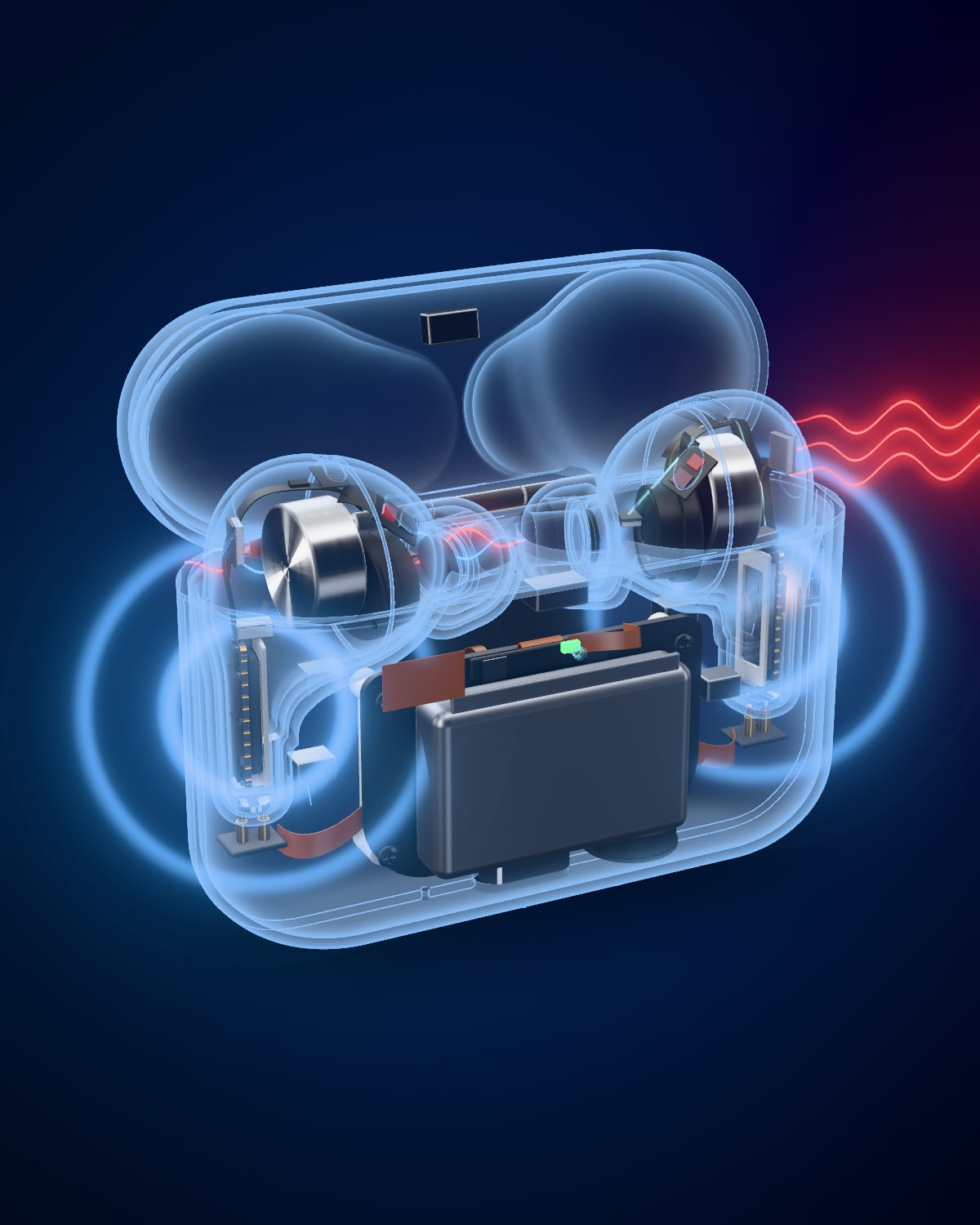
AirPods Pro
How does noise cancelling work?See inside
PS5 controller
How do PS5 adaptive triggers work?See inside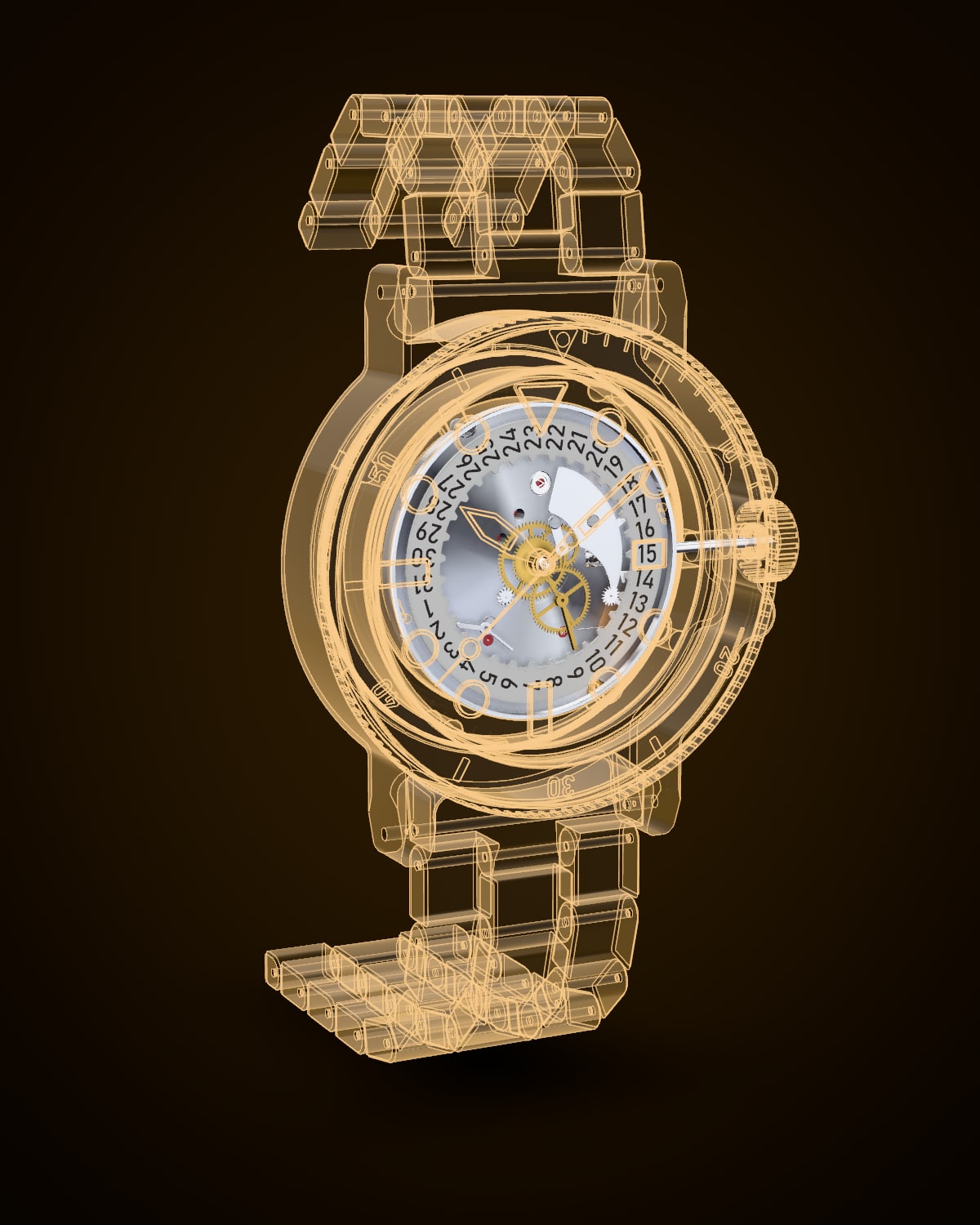
Mechanical watch
How does a mechanical watch work?See inside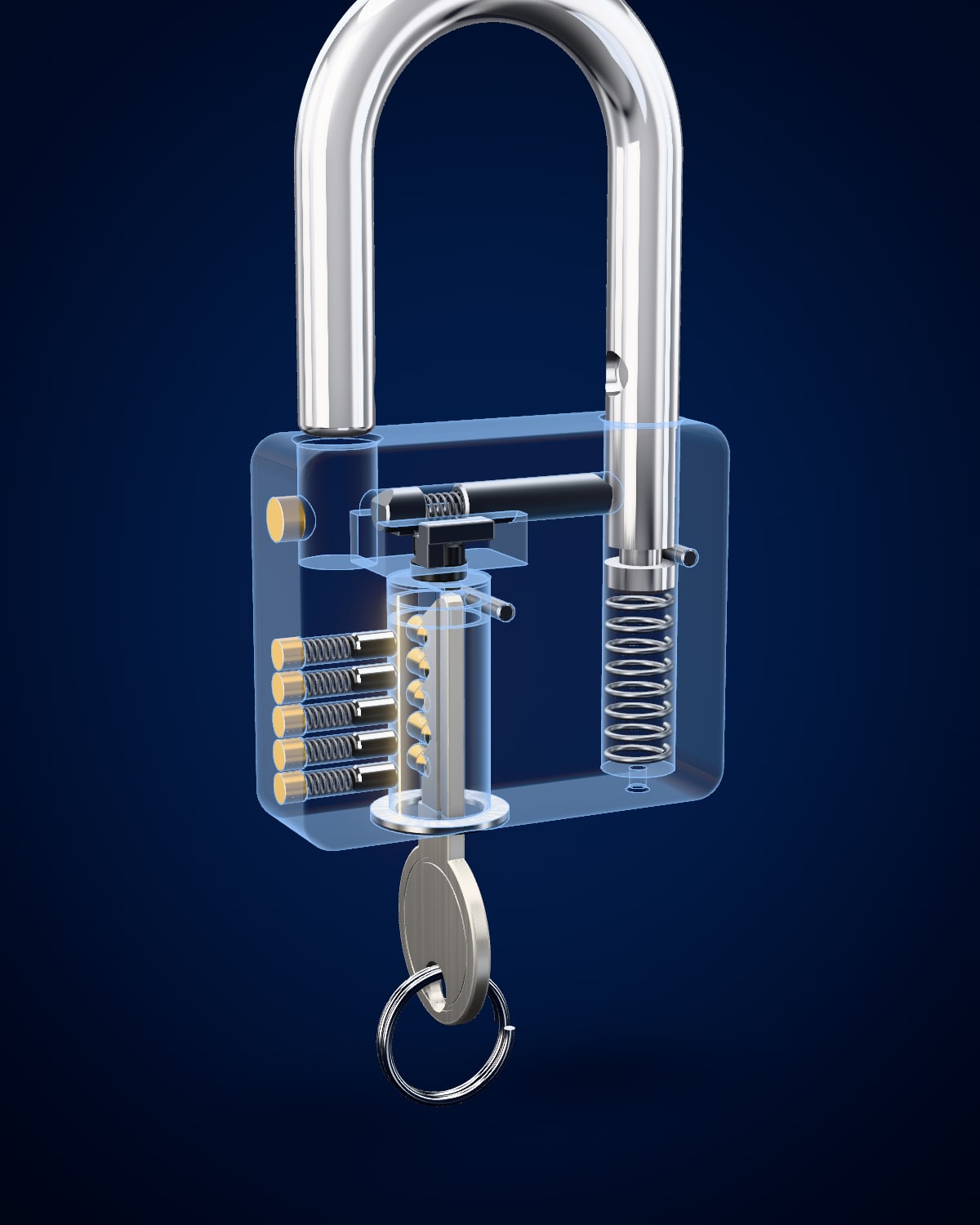
Brass padlock
How does a lock work?See inside
AirTag
How does an AirTag work?See inside
Centrifugal pump
How does a centrifugal pump work?See inside- 8 products in 3D
All of See Inside
Every product, inside and outSee them all
Made with Proofscene
This page runs on the 3D technology we use to build interactive product demos for manufacturers: built from CAD, running in any browser, on their own website.
Interactive 3D product demos